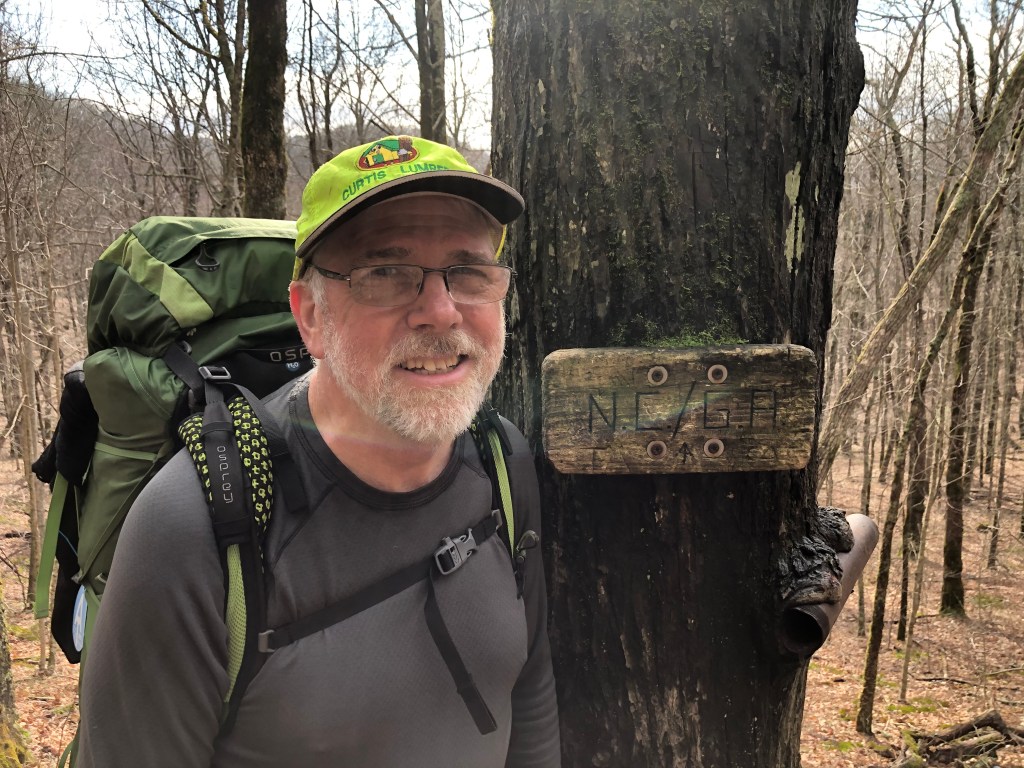
Since you are following along, I should give you some definitions so you too can learn to speak the AT language like a seasoned veteran. Stop using deodorant and taking showers and you will be able to fool even the most discerning into thinking you have hiking creds.
Hiker midnight– around sunset when we all go to sleep.
Hiker trash– kind of like white trash except we hike, seldom bathe, and are voluntarily homeless.
Slackpacking- when a backpacker spends the day hiking without a pack and gear. The hiker stays in town leaving the pack behind, and uses shuttles to drop him off in the morning and pick him up at the end of day. This makes him a slacker and also very smart.
Zero day– When a hiker doesn’t walk any miles on the trail that day. The miles covered when walking around town going shopping, going to restaurants, and finding entertainment don’t count.
Nearo day– a cousin to the zero. When you hike less than a half day.
Camel up – When one arrives at a water source and drinks as much as they can so they won’t have to carry as much.
Trail name– An alias taken on by a hiker frequently bestowed by a fellow hiker. Just as many biblical names reflect some characteristics of an individual, the same may be true of a trail name.
Thru hiker– One that hikes a long trail and completes the trek within 12 months.
Section hiker– One that is hiking a section of the trail.
LASHer- An acronym: Long Ass Section Hiker. One that is hiking a long section of the trail.
Day hiker– They are easily identifiable because they smell good.
Hiker box– An outfitter, hostel, or motel which caters to hikers will have a box for them to put their unwanted gear and food in. Other hikers can look through the boxes for equipment or food that they want.
White blaze– 2×6” painted marks on trees indicating that you are on the AT.
Blue blaze– indicates trails that intersect the AT and often lead to water, a shelter, or a vista.
Pink blazing– when a guy has taken an interest in a female hiker.
Aqua blazing– Instead of hiking through Shenandoah National Park some will choose to paddle 70 mmiles on the Shenandoah River.
Yellow blazing– When one is skipping sections of the trail by hitchhiking. This is frowned upon by the purist.
NOBO– an acronym for north bound
SOBO– south bound
Flip Flop– a hike that is not a linear continuous hike. An example would be for one to start their thru hike at Harper’s Ferry going NOBO and when they get to the trail’s northern terminus, they “flip” back down to HF and head SOBO.
Yo Yo– A hike that continues after reaching the trail’s end by turning around and hiking back to your starting point. Yes, there have been Yo-Yo thru hikes.
Katahdin– The mountain that is the northern terminus of the AT located in Maine’s Baxter state park.
Hiker TV– A campfire that you stare mindlessly into for hours.
The first week and a half of hiking I was averaging about 8 miles per day. I’ve been averaging about 10 miles per day for the last 3 days. This is the pace I expected to be traveling at this point of the trip. As I get my trail legs, the distance I travel each day will be increasing.
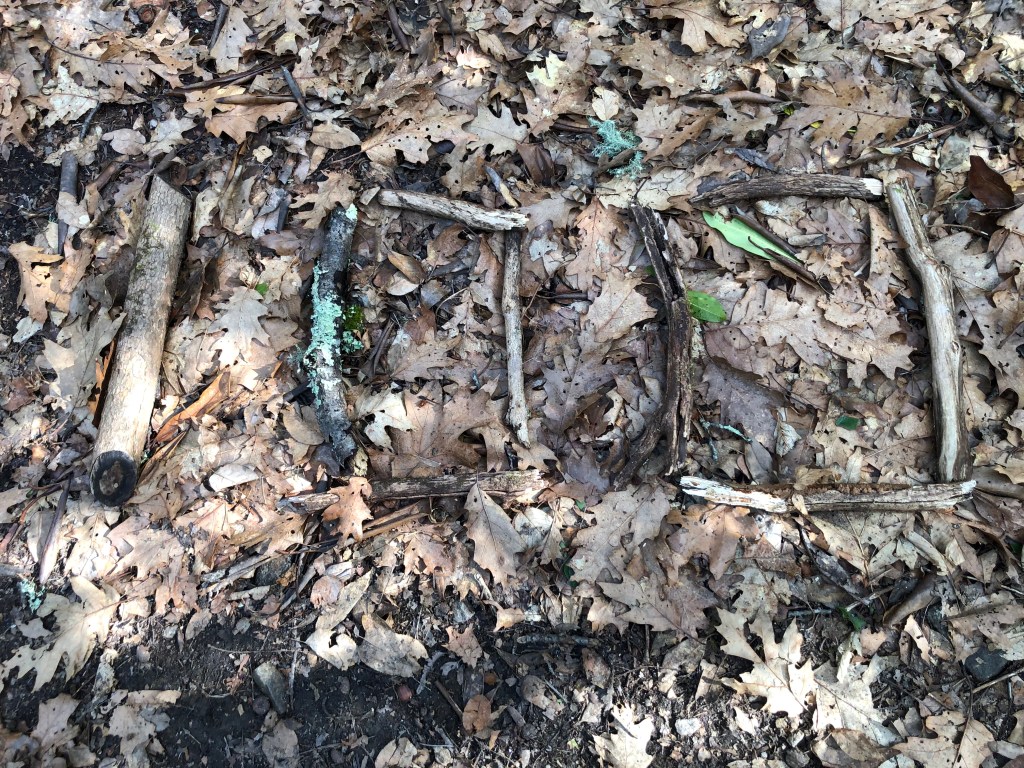
I passed the 100 mile milestone this past week. Yippee! Also this past week, I had to say goodbye to GA and hello to NC. One of my memories of GA is stumbling up a mountain, looking for an oxygen tank, and having a young couple cruise right past me with big smiles on their faces while having a conversation. How irritating!
I have met folks from all over the world on the AT: Quebec, Germany, Switzerland, Italy, Australia, and the UK. Gathered around a rare (due to many rainy days) and recent evening campfire were folks from Germany, FL, NYC, and WI.
It has been hiker tradition to avoid shaking hands and use a fist bump instead in order to avoid spreading viruses. Now we are strongly encouraged to also avoid staying in the shelters or hostels or using the privies. With caution, living in the woods is probably the safest place to be; town re-supplies will require additional diligence. I am reminded of when Anita was quarantined for a year after her stem cell transplant (because she had practically no immune system) and the doctor told us that being outdoors was far safer than being indoors.
 Ken hikes the Appalachian Trail
So impressed, Ken. I cannot imagine your journey but so glad to hike along virtually!!
LikeLike
Way to go Uncle Ken! Makes me miss my days as a Section Hiker and I definitely miss the Hikers TV. 😊Stay safe and well.
LikeLike
Thanks for the update. Stay healthy!
LikeLike
What’s your trail name, NOBO? This is HILARIOUS. I absolutely agree that you are in the safest place you could be. Love you and stay well! -Corina and Tony
LikeLike
Keep cruisin Ken! Prayers brother!
Ben
LikeLike